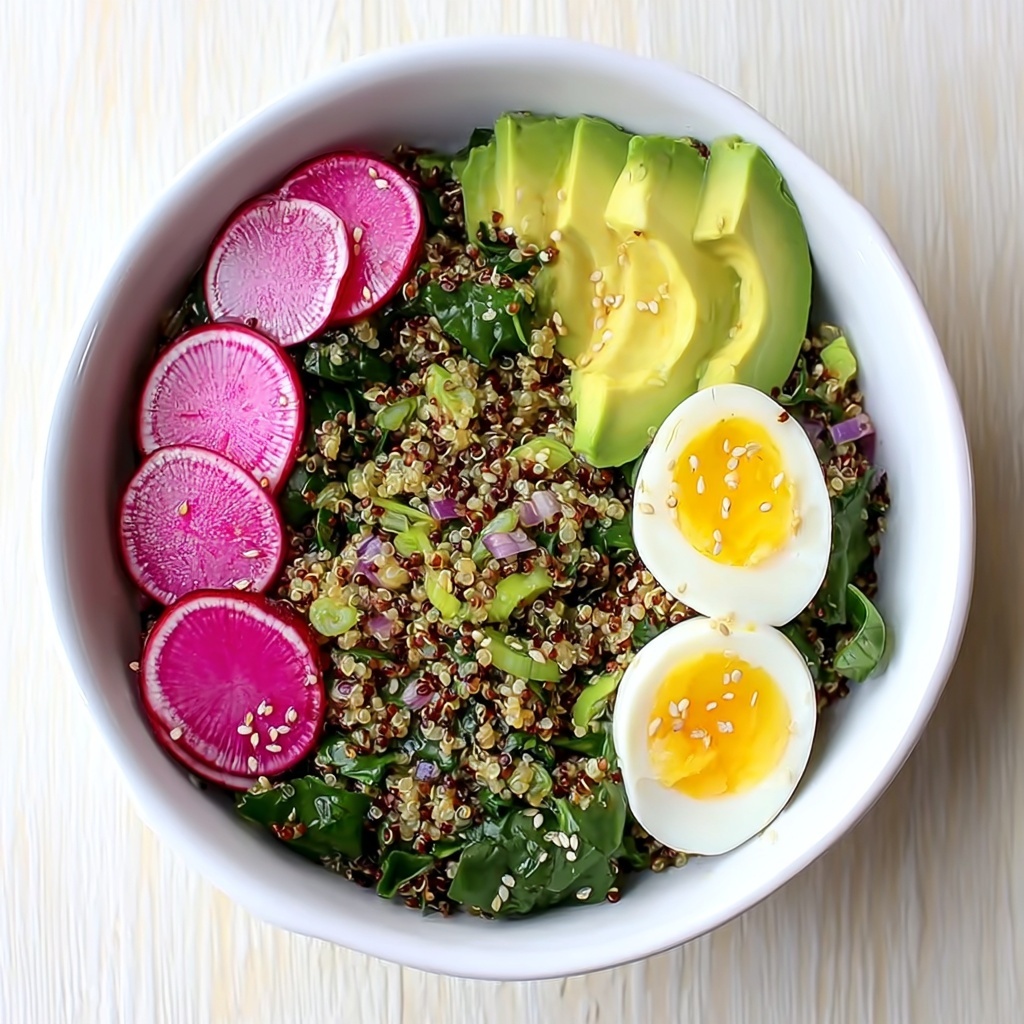
“`html
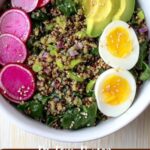
The Longevity Miso Bowl (High-Protein) Recipe is a delightful celebration of nourishing ingredients that come together in a comforting, protein-packed bowl. This vibrant dish combines the earthy richness of miso with the hearty texture of quinoa, silky tofu, and a medley of fresh vegetables, creating a satisfying meal that warms both body and soul. Perfect for a quick lunch or cozy dinner, this recipe balances flavor, nutrition, and ease, making it a go-to favorite anytime you crave something wholesome and uplifting.
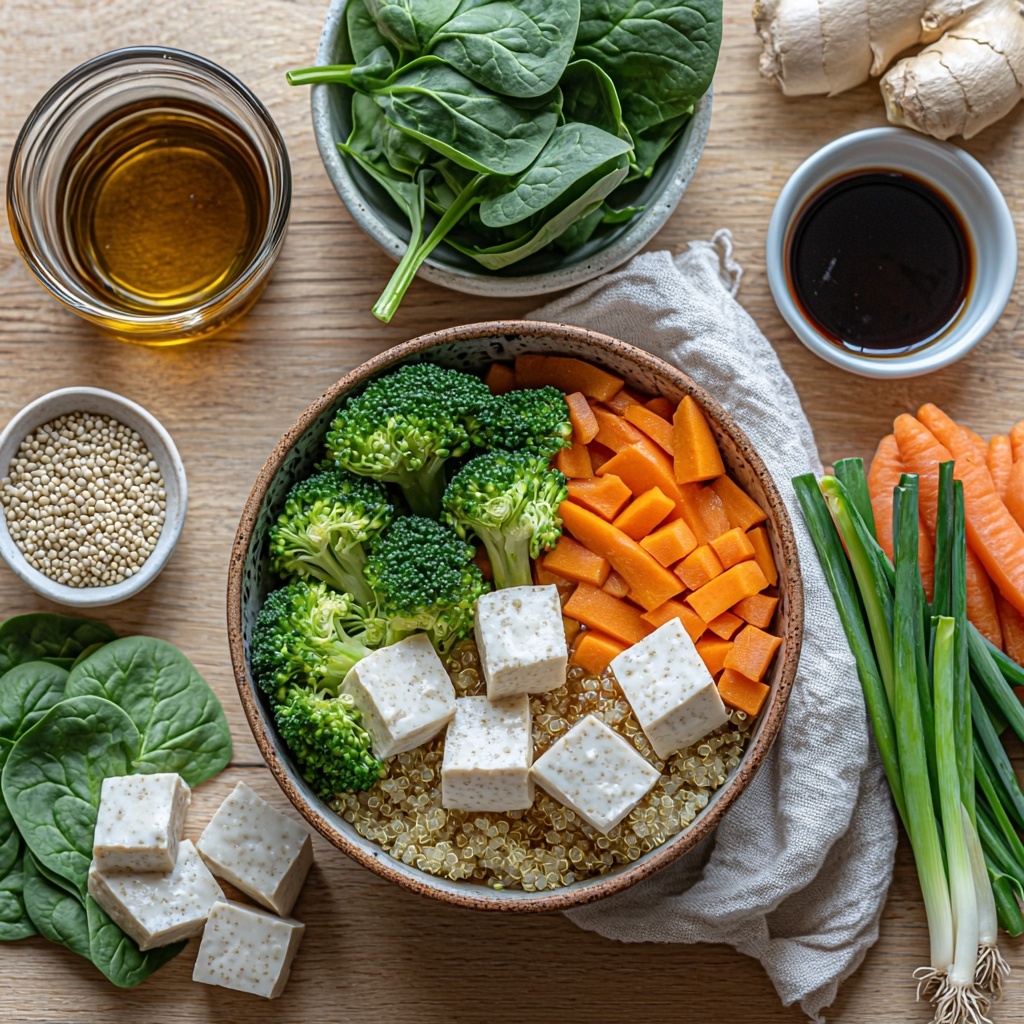
Ingredients You’ll Need
These ingredients are simple yet essential to crafting the Longevity Miso Bowl (High-Protein) Recipe. Each one plays a crucial role in layering flavors and textures—from the nutty quinoa and savory miso to the tender tofu and fresh veggies, every component contributes to a well-rounded, delicious bowl.
- 1 cup cooked quinoa: Provides a nutty, protein-rich base with a satisfying bite.
- 1 cup vegetable broth: Forms a flavorful, comforting soup base that infuses the dish.
- 2 tablespoons miso paste: Adds deep umami notes and a touch of saltiness for authentic Japanese flavor.
- 1/2 cup tofu, cubed: Delivers plant-based protein and a smooth, tender texture.
- 1 cup mixed vegetables (carrots, spinach, broccoli): Brings vibrant color, crunch, and nutrient-packed freshness.
- 1 tablespoon sesame oil: Infuses a toasty, aromatic richness that rounds out the flavors.
- 1 tablespoon soy sauce: Enhances the savory depth and balances the bowl’s overall taste.
- 1 teaspoon ginger, grated: Adds a zesty warmth and subtle spice.
- 1 teaspoon garlic, minced: Offers a punch of aromatic flavor that complements the miso beautifully.
- 2 green onions for garnish: Provide a fresh, crisp finish and a pop of color.
How to Make Longevity Miso Bowl (High-Protein) Recipe
Step 1: Warm the Broth
Start by bringing the vegetable broth to a gentle simmer in a medium pot. This warming step sets the foundation for the soup and helps to meld the flavors you’ll add next.
Step 2: Stir in Miso and Aromatics
Whisk in the miso paste, ensuring it dissolves fully to create a silky broth bursting with umami goodness. Then, add the grated ginger and minced garlic—these aromatics brighten and deepen the soup’s profile, making it irresistibly fragrant.
Step 3: Add Tofu and Vegetables
Gently stir in the cubed tofu along with the mixed vegetables. Let everything simmer together for 5 to 7 minutes until the vegetables are tender yet still vibrant, and the tofu has warmed through, soaking up the savory broth.
Step 4: Assemble the Bowl
In your serving bowl, spoon in the cooked quinoa, creating a hearty base that soaks up the broth beautifully. Pour the fragrant soup mixture over the quinoa, allowing each bite to be a harmonious blend of textures and flavors.
Step 5: Finish with Flavor Boosters
Drizzle sesame oil and soy sauce over the assembled bowl. These finishing touches add layers of nuttiness and a balanced saltiness that elevate the dish to a whole new level of deliciousness.
Step 6: Garnish and Serve
Top your Longevity Miso Bowl (High-Protein) Recipe with freshly chopped green onions for a crisp, fresh contrast to the rich broth. Serve immediately and enjoy the comforting nourishment in every spoonful.
How to Serve Longevity Miso Bowl (High-Protein) Recipe
Garnishes
To complement the Longevity Miso Bowl (High-Protein) Recipe, garnishes like toasted sesame seeds or a sprinkle of chili flakes can add delightful texture and a touch of heat, while fresh herbs such as cilantro or additional green onions bring brightness and color to your presentation.
Side Dishes
This wholesome bowl pairs wonderfully with light side dishes like a crisp cucumber salad or a simple seaweed salad. These sides add refreshing crunch that contrasts beautifully with the warm, savory flavors of the miso bowl.
Creative Ways to Present
Try serving the Longevity Miso Bowl (High-Protein) Recipe in rustic ceramic bowls to highlight its cozy nature. For a fun twist, add a soft-boiled egg on top or sprinkle some toasted nuts for an added layer of texture and indulgence.
Make Ahead and Storage
Storing Leftovers
You can store leftovers of the Longevity Miso Bowl (High-Protein) Recipe in an airtight container in the refrigerator for 3-4 days. This makes it an excellent meal prep option that holds up well without losing its fresh flavors.
Freezing
While this bowl tastes best fresh, you can freeze the broth and tofu mixture separately in freezer-safe containers for up to 1 month. Quinoa and fresh vegetables don’t freeze as well, so it’s best to cook those fresh when ready to enjoy.
Reheating
Reheat leftovers gently on the stovetop over medium-low heat until warmed through, stirring occasionally to prevent sticking. Adding a splash of vegetable broth can help maintain the soup’s comforting consistency.
FAQs
Can I use another grain instead of quinoa?
Absolutely! While quinoa adds a lovely nutty flavor and plant-based protein, brown rice or farro are great alternatives that bring their own unique textures and benefits.
Is this recipe suitable for vegans?
Yes, the entire Longevity Miso Bowl (High-Protein) Recipe is vegan-friendly, as it relies on tofu and plant-based ingredients without any animal products.
How spicy is this dish?
This recipe is mild by nature, focusing on umami and warmth from ginger and garlic. You can easily spice it up by adding chili flakes, sriracha, or fresh chilies if you prefer a kick.
Can I prepare the miso broth in advance?
Definitely! The broth can be made ahead and refrigerated for a day or two. Just reheat it gently before adding tofu and vegetables to avoid overcooking them.
What’s the best way to press tofu for this recipe?
For the best texture, press tofu by wrapping it in a clean towel and placing a heavy object on top for 10-15 minutes. This removes excess water and helps the tofu absorb the flavorful broth better.
Final Thoughts
This Longevity Miso Bowl (High-Protein) Recipe is more than just a meal; it’s a warm hug in a bowl that brings together nourishing ingredients with comforting flavors. Whether you’re looking for a quick protein-packed lunch or a satisfying dinner, this recipe delivers on taste, nutrition, and soul-soothing goodness. I can’t wait for you to try it and make it a staple in your kitchen!
“`
Print
Longevity Miso Bowl (High-Protein) Recipe
- Prep Time: 10 minutes
- Cook Time: 15 minutes
- Total Time: 25 minutes
- Yield: 2 servings
- Category: Soup Bowl
- Method: Stovetop
- Cuisine: Japanese
- Diet: Vegetarian
Description
This Longevity Miso Bowl is a nourishing high-protein meal that combines the warmth of miso soup with nutrient-rich quinoa and fresh vegetables. Perfect for a quick, comforting, and healthful lunch or dinner, it features a savory mix of tofu, miso, and vibrant greens for a balanced, flavorful bowl filled with wholesome ingredients.
Ingredients
Base
- 1 cup cooked quinoa
- 1 cup vegetable broth
Soup & Flavor
- 2 tablespoons miso paste
- 1 teaspoon ginger, grated
- 1 teaspoon garlic, minced
- 1 tablespoon soy sauce
- 1 tablespoon sesame oil
Main Protein & Vegetables
- 1/2 cup tofu, cubed
- 1 cup mixed vegetables (carrots, spinach, broccoli)
Garnish
- 2 green onions, chopped
Instructions
- Simmer the broth: In a medium pot, bring the vegetable broth to a gentle simmer to prepare the base for the soup.
- Add miso and aromatics: Whisk in the miso paste until fully dissolved, then add the grated ginger and minced garlic to infuse the broth with flavor.
- Cook tofu and vegetables: Add the cubed tofu and mixed vegetables to the simmering broth and let cook for 5-7 minutes until vegetables are tender and tofu is heated through.
- Prepare the bowl: In a serving bowl, layer the cooked quinoa as the base.
- Assemble the miso soup bowl: Pour the hot miso soup with tofu and vegetables over the quinoa.
- Finish with flavor enhancers: Drizzle sesame oil and soy sauce on top to enhance the flavors and add richness.
- Garnish and serve: Sprinkle chopped green onions over the bowl before serving for a fresh touch and mild onion flavor.
Notes
- You can substitute quinoa with brown rice or barley for variation.
- Adjust soy sauce and miso paste amounts to taste, especially if watching sodium levels.
- Use firm tofu to maintain texture during simmering.
- For extra protein, add edamame or an egg on top.
- Make sure to dissolve the miso paste properly by whisking to avoid lumps.