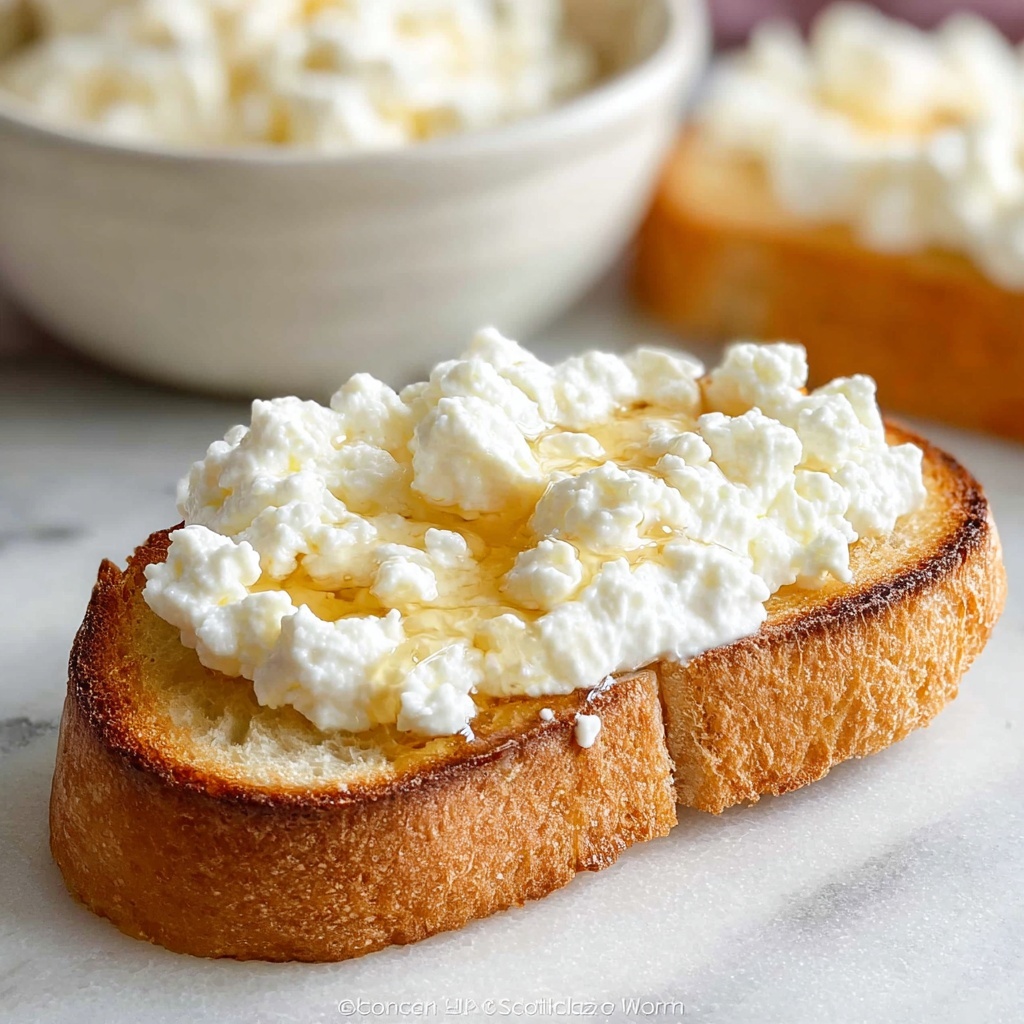
If you’ve ever wondered how to bring that fresh, creamy magic of ricotta cheese into your own kitchen, you’re in for a treat. This Homemade Ricotta Cheese (4 Ingredients) Recipe captures the essence of artisan cheesemaking with so few ingredients and an easy process that anyone can master. No need for fancy equipment or obscure supplies—just straightforward, wholesome goodness that elevates every dish you add it to.
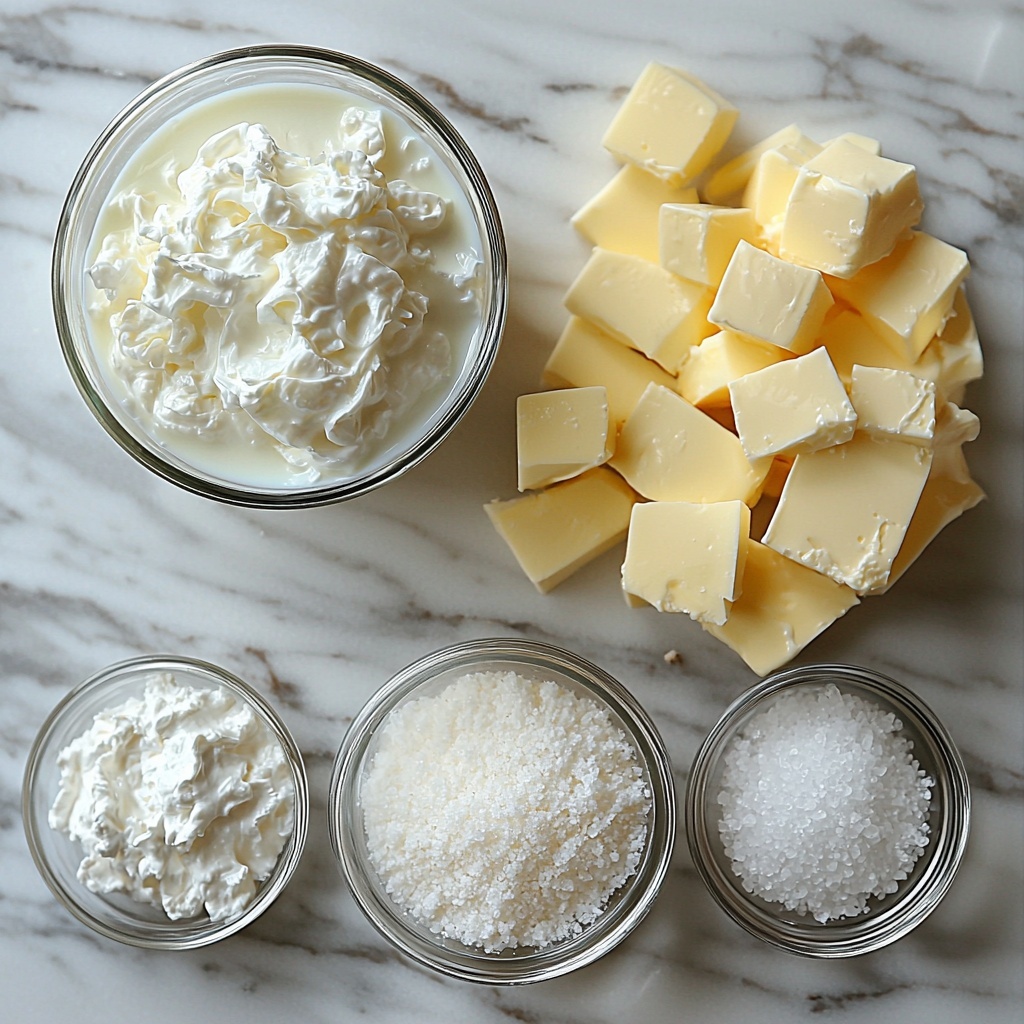
Ingredients You’ll Need
The beauty of this recipe lies in its simplicity and how each ingredient plays a crucial role. From delivering rich creaminess to helping the curds form perfectly, these four essentials are all you need to make fresh ricotta that feels luxurious yet grounded in tradition.
- 4 cups whole milk: The foundation of the ricotta; whole milk’s fat content gives the cheese its creamy texture.
- ½ cup heavy whipping cream: Adds luscious richness and smoothness to the final product.
- ¼ teaspoon salt: Enhances all the flavors without overpowering the delicate cheese.
- 3 tablespoons white vinegar (or lemon juice): Acts as the natural acid to gently curdle the milk and separate the curds from whey.
How to Make Homemade Ricotta Cheese (4 Ingredients) Recipe
Step 1: Gently Heat the Dairy
Start by pouring the whole milk, heavy cream, and salt into a heavy-bottomed saucepan. Heat this mixture over medium heat while stirring occasionally to prevent any scorching. It’s important to bring the liquid just to a boil—this careful warming is what prepares the milk proteins to transform into curds.
Step 2: Add the Acid and Stir
Once the milk mixture reaches a boil, remove the pan from heat and slowly pour in your vinegar or lemon juice. Stir gently to combine. This acid is what kickstarts the magic, encouraging the milk to curdle and separate into those soft, delicate curds that will become your ricotta.
Step 3: Let the Curds Form
Now comes the patience part. Let the pan sit undisturbed for about 30 minutes. This quiet resting time allows the curds to coagulate fully, creating that signature ricotta texture. You’ll notice the thick, white curds floating on the clearer whey beneath—this is your cheese in the making.
Step 4: Strain the Curds
Prepare a fine mesh strainer or colander lined with two layers of damp cheesecloth. Carefully spoon the curds into the strainer. This step separates your creamy ricotta from the liquid whey, which you can save for other recipes or discard if you prefer.
Step 5: Drain to Perfection
Let the curds drain for 30 to 45 minutes, depending on how dry you prefer your ricotta. The longer it drains, the thicker and more spreadable it becomes. Once drained, transfer your homemade ricotta to a container and it’s ready to enjoy or refrigerate.
How to Serve Homemade Ricotta Cheese (4 Ingredients) Recipe
Garnishes
Sprinkle a pinch of freshly cracked black pepper or a drizzle of high-quality olive oil on top of your ricotta for a simple yet elegant finishing touch. Fresh herbs like basil, thyme, or chives also complement the creamy texture beautifully and brighten up the dish.
Side Dishes
Ricotta pairs wonderfully with crusty artisan bread, crisp seasonal vegetables, or a warm bowl of pasta tossed in garlic and olive oil. Its mild flavor and creamy body make it a perfect accompaniment that adds richness without overwhelming the palate.
Creative Ways to Present
You can get adventurous with your homemade ricotta by spreading it on roasted fruit like figs or peaches for a sweet-savory snack. Swirl it into soups to add creaminess without heavy dairy or layer it into lasagna and stuffed shells for a homemade Italian feast that dazzles every time.
Make Ahead and Storage
Storing Leftovers
Your leftover ricotta cheese keeps well in an airtight container in the refrigerator for up to 3 days. Keep it chilled and covered to preserve its freshness, and give it a gentle stir before using to restore its creamy smoothness.
Freezing
While ricotta can be frozen, its texture may become slightly grainy after thawing. If you choose to freeze it, place it in a freezer-safe container and use it within one month primarily for cooking or baking rather than fresh applications.
Reheating
When reheating ricotta for recipes, do so gently over low heat or incorporate it into dishes without direct prolonged heat to avoid curdling. For fresh use, it’s best enjoyed cold or at room temperature to fully appreciate its creamy, delicate flavor.
FAQs
Can I use low-fat milk to make ricotta?
Whole milk is preferred because it provides the creamy texture that ricotta is known for. Low-fat milk can be used, but the resulting cheese may be less rich and slightly crumbly.
What’s the difference between ricotta made with vinegar versus lemon juice?
Both acids work well to curdle milk, but vinegar offers a more neutral flavor, while lemon juice imparts a subtle citrusy note. Choose based on your flavor preference.
Can I make this ricotta recipe vegan or dairy-free?
This particular recipe relies on dairy milk and cream for its texture and flavor, so it’s not suitable for vegan or dairy-free diets. However, there are plant-based ricotta alternatives you can explore using nuts or tofu.
How do I know when the ricotta is done draining?
Drain the curds until they reach your desired consistency. Less time yields a looser, creamier ricotta, while longer drainage results in a thicker, denser texture. Taste-testing along the way helps find your perfect balance.
What can I do with the leftover whey?
Don’t toss that liquid! Whey can be used in smoothies, soups, or even as a nutritious base for bread dough, adding a lovely tang and extra protein.
Final Thoughts
Making your own cheese at home is such a rewarding experience, and this Homemade Ricotta Cheese (4 Ingredients) Recipe makes it approachable and fun for everyone. Whip up a batch to taste that fresh, creamy goodness that transforms everyday meals into truly special moments. Trust me, once you try it, you’ll wonder how you ever bought ricotta from the store!
Print
Homemade Ricotta Cheese (4 Ingredients) Recipe
- Prep Time: 5 minutes
- Cook Time: 40 minutes
- Total Time: 45 minutes
- Yield: 4 servings
- Category: Cheese Making
- Method: Stovetop
- Cuisine: Italian
Description
This Homemade Ricotta Cheese recipe is a simple and satisfying way to make fresh ricotta at home using just four basic ingredients. Creamy, mild, and versatile, this easy-to-follow method yields soft ricotta perfect for lasagna, desserts, or spreading on toast.
Ingredients
Ingredients
- 4 cups whole milk
- ½ cup heavy whipping cream
- ¼ teaspoon salt
- 3 tablespoons white vinegar or lemon juice
Instructions
- Heat the milk mixture: In a heavy-bottomed saucepan, combine whole milk, heavy cream, and salt. Heat over medium heat while stirring occasionally, bringing the mixture just to a boil but not scorching the bottom.
- Add vinegar and curdle: Remove the saucepan from heat and immediately stir in the white vinegar or lemon juice to introduce acidity that will help the milk separate into curds and whey.
- Rest to form curds: Let the mixture sit undisturbed for 30 minutes at room temperature, allowing the curds to fully form and separate from the liquid whey.
- Strain the curds: Line a fine mesh strainer or colander with two layers of damp cheesecloth placed over a bowl. Gently transfer the curds into the strainer to begin draining.
- Drain thoroughly: Allow the ricotta to drain for 30 to 45 minutes, or until it reaches your preferred consistency. For creamier ricotta, drain less; for thicker ricotta, drain longer.
Notes
- Use whole milk and heavy cream for a rich and creamy texture.
- Fresh lemon juice can be used in place of vinegar for a subtle variation in flavor.
- Drain time can be adjusted depending on desired ricotta thickness.
- Store homemade ricotta in an airtight container in the refrigerator and consume within 3 to 4 days.
- Save the leftover whey for smoothies or baking as a nutritious liquid.