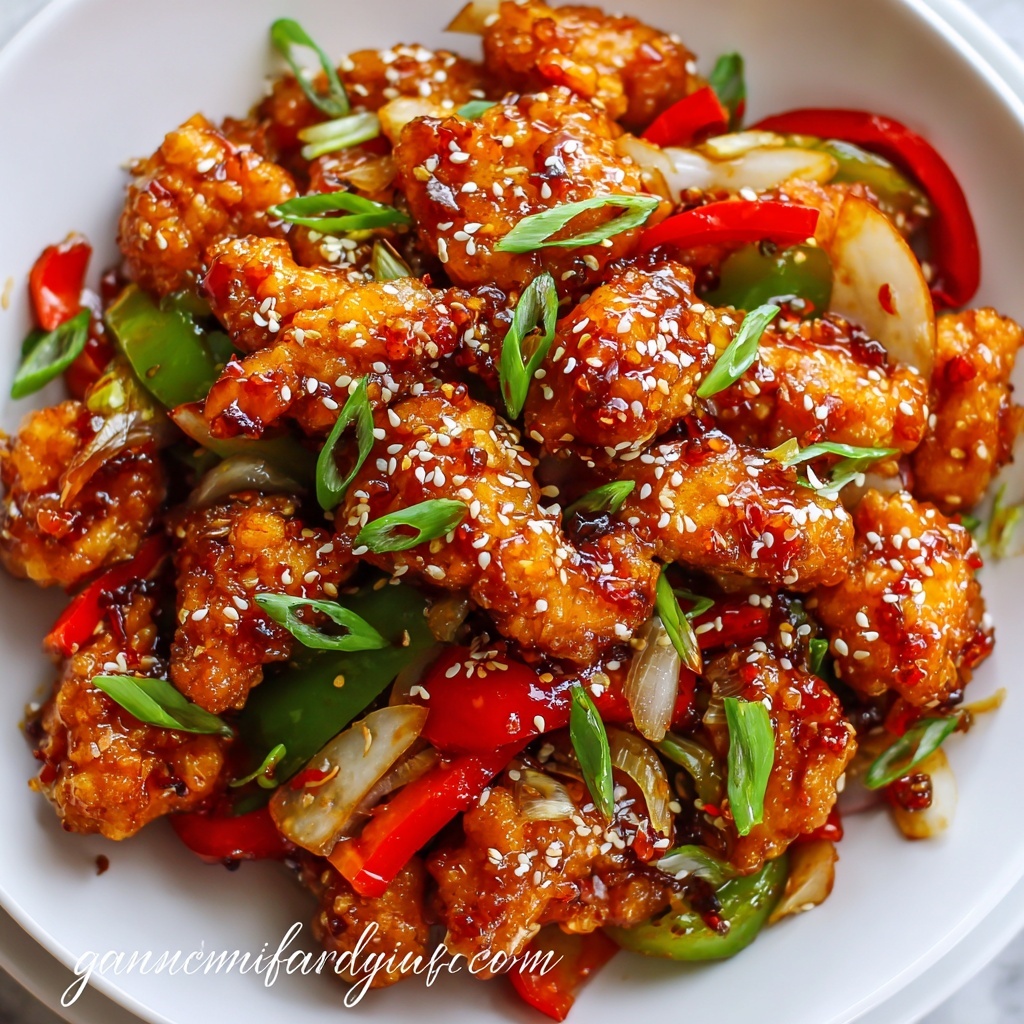
If you have a craving for something that bursts with flavor and just the right amount of heat, this Korean Spicy Chicken Stir Fry Recipe is exactly what you need. It combines tender, juicy chicken thighs marinated in a vibrant, fiery sauce made from gochujang and gochugaru, then stir-fried with fresh, crisp vegetables. This dish isn’t just about the spice; it’s a perfect balance of savory, sweet, and spicy elements, making every bite an exciting experience. Whether you’re a longtime fan of Korean cuisine or looking to try something new, this recipe will quickly become one of your favorites.
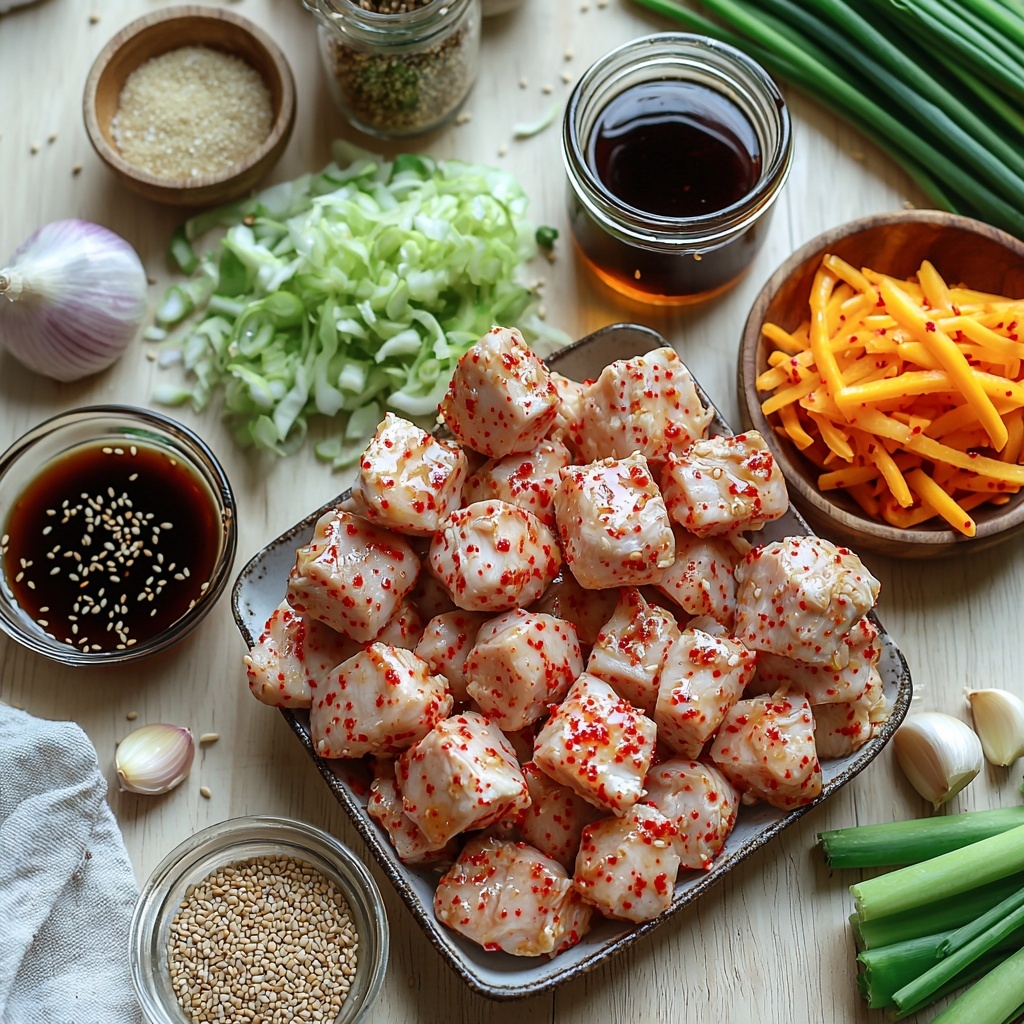
Ingredients You’ll Need
These ingredients are simple yet essential to building the rich, layered flavors and textures that make this Korean Spicy Chicken Stir Fry Recipe so delightful. Each element plays its part, from the tender chicken and spicy pepper pastes to the fresh vegetables giving crunch and color.
- Boneless, Skinless Chicken Thighs: Tender and juicy, they soak up the marinade perfectly for deep flavor.
- Gochujang (Korean Chili Paste): The star of the show, bringing heat and a hint of sweetness that defines this dish.
- Gochugaru (Korean Chili Flakes): Optional but highly recommended for an extra layer of nuanced spiciness.
- Soy Sauce: Adds salty umami to balance the chili paste.
- Non-Alcoholic Sweet Cooking Liquid (Apple Juice or Sugar/Honey): Sweetness brightens the sauce and mellows out the spice.
- Sesame Oil: Brings a nutty aroma that elevates the entire stir fry.
- Garlic (minced): Essential for aromatic depth.
- Fresh Ginger (grated): Adds warmth and a slight zing.
- Sugar or Honey: Light sweetness to round out the savory sauce.
- Black Pepper: Subtle heat that supports the overall spice without overpowering.
- Onion (thinly sliced): Provides sweetness and tender bite once cooked.
- Cabbage (Napa or green, cut into 1-inch squares): Adds crunch and freshness.
- Carrots (thinly sliced or julienned): Bring a slight sweetness and vibrant color.
- Green Onions (both white and green parts): Deliver sharpness and brightness to the dish.
- Neutral Cooking Oil (Vegetable, canola, or grapeseed oil): Keeps everything cooking smoothly without added flavor.
- Toasted Sesame Seeds: A finishing touch that adds texture and nuttiness.
How to Make Korean Spicy Chicken Stir Fry Recipe
Step 1: Prepare Your Chicken
Start by patting your boneless, skinless chicken thighs completely dry. This step is important because dry chicken sears better, forming a tasty caramelized crust. Cut the chicken into uniform 1-inch cubes so they cook evenly and absorb the marinade just right. Having pieces similar in size helps maintain the perfect texture in every bite.
Step 2: Make the Marinade
In a medium bowl, combine the gochujang, gochugaru (if using), soy sauce, your chosen sweet cooking liquid (like apple juice or honey), sesame oil, minced garlic, grated ginger, sugar (if you prefer extra sweetness), and black pepper. Whisk everything together until smooth and vibrant. This marinade is packed with layers of flavor and spice, the sauce you want to cling lovingly to every piece of chicken. Take a moment to taste and adjust—if you want more heat or sweetness, now’s the time.
Step 3: Marinate the Chicken
Add your cut chicken pieces to the marinade and toss to coat every piece thoroughly. This is where the magic begins, letting the chicken soak up the rich, spicy flavors. Cover the bowl and let it chill in the refrigerator for at least 30 minutes. If you have extra time, a few hours will deepen the flavors even more, but half an hour is perfect for a quick weeknight dinner.
Step 4: Prep Your Vegetables
While the chicken marinates, slice the onions thinly, chop the cabbage into roughly 1-inch squares, and slice or julienne the carrots. Don’t forget to chop your green onions, separating the white and light green parts from the darker tops. Having everything prepped ahead makes the cooking fast and furious, a hallmark of any great stir fry.
Step 5: Cook the Chicken
Heat a large skillet or wok over medium-high heat and add 1 to 2 tablespoons of neutral oil. When the oil is hot, add the marinated chicken in a single layer. Let it sear without moving for about 3 to 4 minutes per side, allowing it to develop a beautiful browned crust. The chicken won’t be fully cooked at this stage but well on its way.
Step 6: Stir-Fry the Vegetables
Remove the chicken and set it aside. Add a bit more oil to your pan if needed, then toss in the sliced onions and carrots. Stir-fry for 2 to 3 minutes until they start softening. Add the cabbage and the white and light green parts of the green onions next. Keep stirring and cooking for another 3 to 5 minutes until vegetables are tender but still have a bit of crunch.
Step 7: Combine and Finish Cooking
Return the chicken to the pan with your vegetables and toss everything together. Cook for an additional 2 to 3 minutes to ensure the chicken is cooked through and the marinade flavors meld beautifully with the veggies. At this point, your kitchen smells like a Korean street food haven!
Step 8: Garnish and Serve
Remove the pan from heat and sprinkle the stir fry with the reserved dark green parts of the scallions and a generous handful of toasted sesame seeds. These finishing touches add fresh color, crunch, and a lovely nutty flavor that complement the spicy, savory chicken perfectly.
How to Serve Korean Spicy Chicken Stir Fry Recipe
Garnishes
Finishing your Korean Spicy Chicken Stir Fry Recipe with fresh green onion tops and toasted sesame seeds isn’t just about looks – it adds a pop of freshness and subtle texture that balances the richness of the dish. If you want, you can add a side of thinly sliced fresh chili or a drizzle of sesame oil for an extra layer of aroma.
Side Dishes
This stir fry shines when paired with fluffy steamed white rice to soak up all those spicy, flavorful juices. You could also serve it alongside simple kimchi for a traditional Korean touch or a fresh cucumber salad to cool the palate.
Creative Ways to Present
For a fun twist, turn your Korean Spicy Chicken Stir Fry into lettuce wraps using crisp romaine or butter lettuce leaves. Add a little handful of fresh herbs like cilantro or mint to balance the heat. Or serve it over noodles instead of rice for a hearty, comforting variation. Either way, this dish is versatile and always a crowd pleaser.
Make Ahead and Storage
Storing Leftovers
Let your Korean Spicy Chicken Stir Fry cool to room temperature before transferring it to an airtight container. Stored properly in the refrigerator, it will stay fresh for 3 to 4 days, making for a delicious next-day lunch or dinner.
Freezing
If you want to keep it longer, this recipe freezes well. Place cooled leftovers into a freezer-safe container or bag and freeze for up to 2 months. When you’re ready, thaw overnight in the fridge for best texture and flavor preservation.
Reheating
Reheat gently in a skillet over medium heat to maintain the texture of the chicken and vegetables. You may want to add a splash of water or soy sauce to keep it moist. Avoid the microwave if possible, as it can make the chicken rubbery and the veggies soggy.
FAQs
Can I use chicken breast instead of thighs?
Absolutely! Chicken breast works fine, but keep in mind that it’s leaner and can dry out more quickly, so watch your cooking time carefully to keep it juicy.
How spicy is this Korean Spicy Chicken Stir Fry Recipe?
The heat level depends on how much gochujang and gochugaru you use. You can always adjust according to your spice tolerance by adding less or more chili paste and flakes.
Is there a vegetarian version of this recipe?
Yes! Swap the chicken for tofu or mushrooms and use the same marinade and technique. Just be sure to dry the tofu well for better texture before marinating.
What if I can’t find gochujang or gochugaru?
Gochujang can sometimes be replaced with a mix of chili paste and miso, but the flavor won’t be quite the same. Gochugaru can be replaced with regular chili flakes, but try to find authentic Korean ingredients for the truest taste.
Can I make this recipe ahead of time?
You can marinate the chicken up to 24 hours in advance to deepen flavor. However, cook the dish fresh for best texture and taste.
Final Thoughts
There’s something incredibly satisfying about making and sharing this Korean Spicy Chicken Stir Fry Recipe. It hits all the right notes—spicy, sweet, savory, and satisfying. Give it a whirl and watch it become a staple on your table. Trust me, you’re going to love every fiery, delicious bite!
Print
Korean Spicy Chicken Stir Fry Recipe
- Prep Time: 15 minutes
- Cook Time: 15 minutes
- Total Time: 45 minutes
- Yield: 4 servings
- Category: Main Dish
- Method: Stovetop
- Cuisine: Korean
Description
This Korean Spicy Chicken Stir Fry delivers a fiery and flavorful meal featuring tender chicken thighs coated in a vibrant gochujang-based marinade, stir-fried with crisp vegetables. A perfect combination of spicy, sweet, and savory notes makes this dish irresistibly delicious and ideal for a quick weeknight dinner.
Ingredients
Chicken and Marinade
- 1 lb boneless, skinless chicken thighs, cut into 1-inch cubes
- 2 tablespoons gochujang (Korean chili paste)
- 1 teaspoon gochugaru (Korean chili flakes, optional)
- 2 tablespoons soy sauce
- 2 tablespoons non-alcoholic sweet cooking liquid (apple juice or a pinch of sugar or honey)
- 1 teaspoon sesame oil
- 3 cloves garlic, minced
- 1 teaspoon fresh ginger, grated
- 1 teaspoon sugar or honey (if not using sweet cooking liquid)
- 1/4 teaspoon black pepper
Vegetables
- 1 small onion, thinly sliced
- 2 cups cabbage (Napa or green), cut into 1-inch squares
- 1 cup carrots, thinly sliced or julienned
- 3 green onions (scallions), chopped and separated into white/light green parts and dark green tops
Cooking and Garnish
- 1–2 tablespoons neutral cooking oil (vegetable, canola, or grapeseed oil)
- 1 tablespoon toasted sesame seeds
Instructions
- Prepare chicken: Pat the boneless, skinless chicken thighs completely dry using paper towels, then cut into uniform 1-inch bite-sized pieces to ensure even cooking.
- Make marinade: In a medium bowl, whisk together gochujang, gochugaru (if using), soy sauce, sweet cooking liquid (apple juice or sugar/honey), sesame oil, minced garlic, grated ginger, sugar (if using), and black pepper until smooth and evenly combined.
- Marinate chicken: Add the chicken pieces to the marinade and toss thoroughly with a spoon or gloved hands to coat every piece evenly. Cover and marinate in the refrigerator for at least 30 minutes to infuse flavor.
- Chop vegetables: While the chicken marinates, thinly slice the onion, cut cabbage into 1-inch squares, julienne or slice carrots thinly, and chop green onions, separating the white and light green parts from dark green tops.
- Heat pan and oil: Heat a large skillet, wok, or deep frying pan over medium-high heat and add 1 to 2 tablespoons of neutral cooking oil, heating until shimmering.
- Sear chicken: Add the marinated chicken in a single layer and sear for 3 to 4 minutes per side until a browned crust forms and the chicken is mostly cooked through, then remove chicken and set aside.
- Cook vegetables: Add more oil if necessary, then stir-fry the sliced onions and carrots for 2 to 3 minutes until they begin to soften. Add cabbage and the white and light green parts of the green onions, continuing to stir-fry for another 3 to 5 minutes until vegetables are tender-crisp.
- Combine chicken and vegetables: Return the chicken to the pan, toss to combine thoroughly with the vegetables, and cook for an additional 2 to 3 minutes until chicken is fully cooked through and sauce coats all ingredients evenly.
- Garnish and serve: Remove the pan from heat. Garnish the dish with the dark green parts of the green onions and a generous sprinkle of toasted sesame seeds. Serve immediately, ideally alongside fluffy white rice.
Notes
- Marinating the chicken for at least 30 minutes enhances flavor and tenderness; overnight marination can intensify taste even more.
- Gochugaru is optional but adds extra heat and texture; adjust according to your spice tolerance.
- Use neutral oil with a high smoke point for best stir-fry results.
- If you prefer less heat, reduce the amount of gochujang or omit gochugaru.
- Vegetables can be substituted or added according to preference, such as bell peppers or snap peas.
- Serve with steamed white rice or noodles to complete the meal.