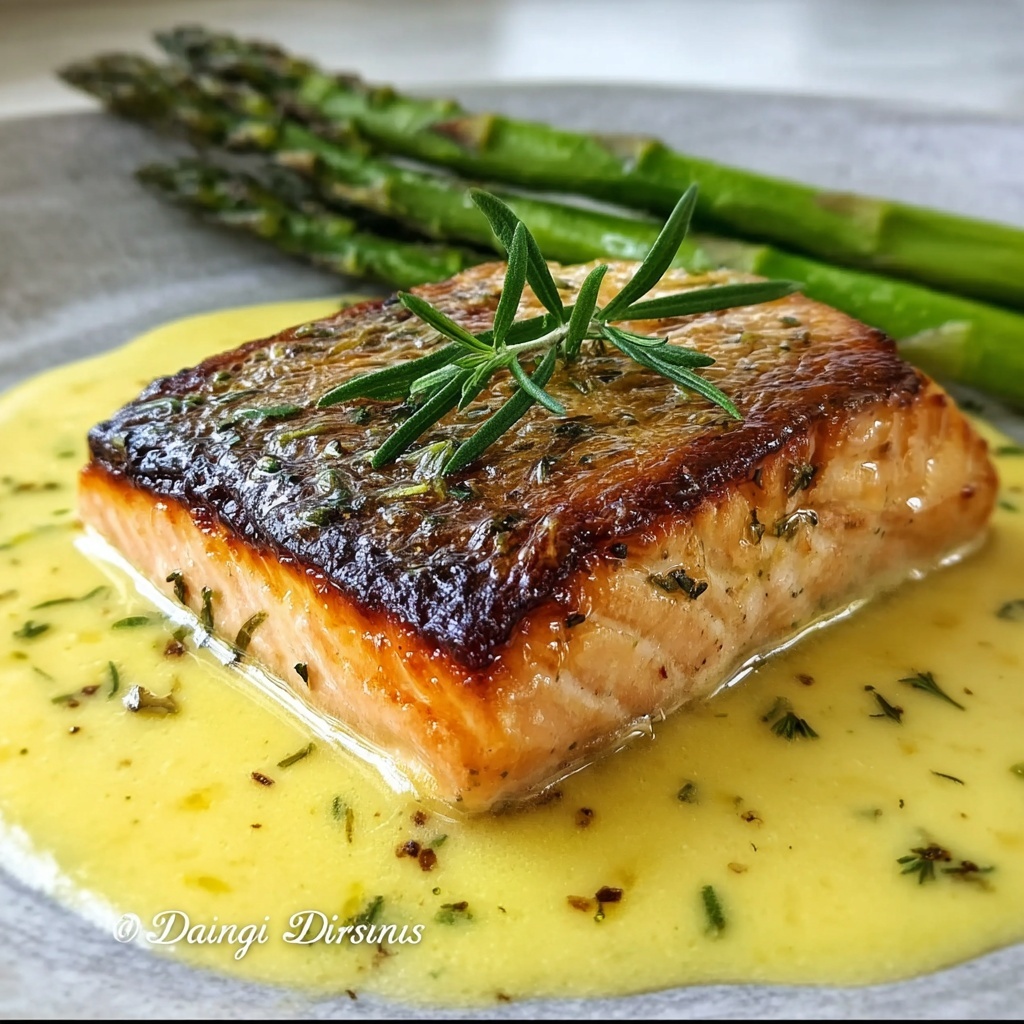
If you have ever wanted to master a sauce that epitomizes elegance and indulgence in French cooking, this Classic Beurre Blanc (French Butter Sauce) Recipe is your golden ticket. This luxuriously smooth sauce, made from shallots, white wine, and butter, transforms simple dishes into exceptional ones, adding a velvety richness that’s brightened by a subtle acidity. It’s astonishing how such humble ingredients come together to create something unforgettable, perfect for elevating seafood, poultry, or even vegetables to restaurant-quality delight.
Ingredients You’ll Need
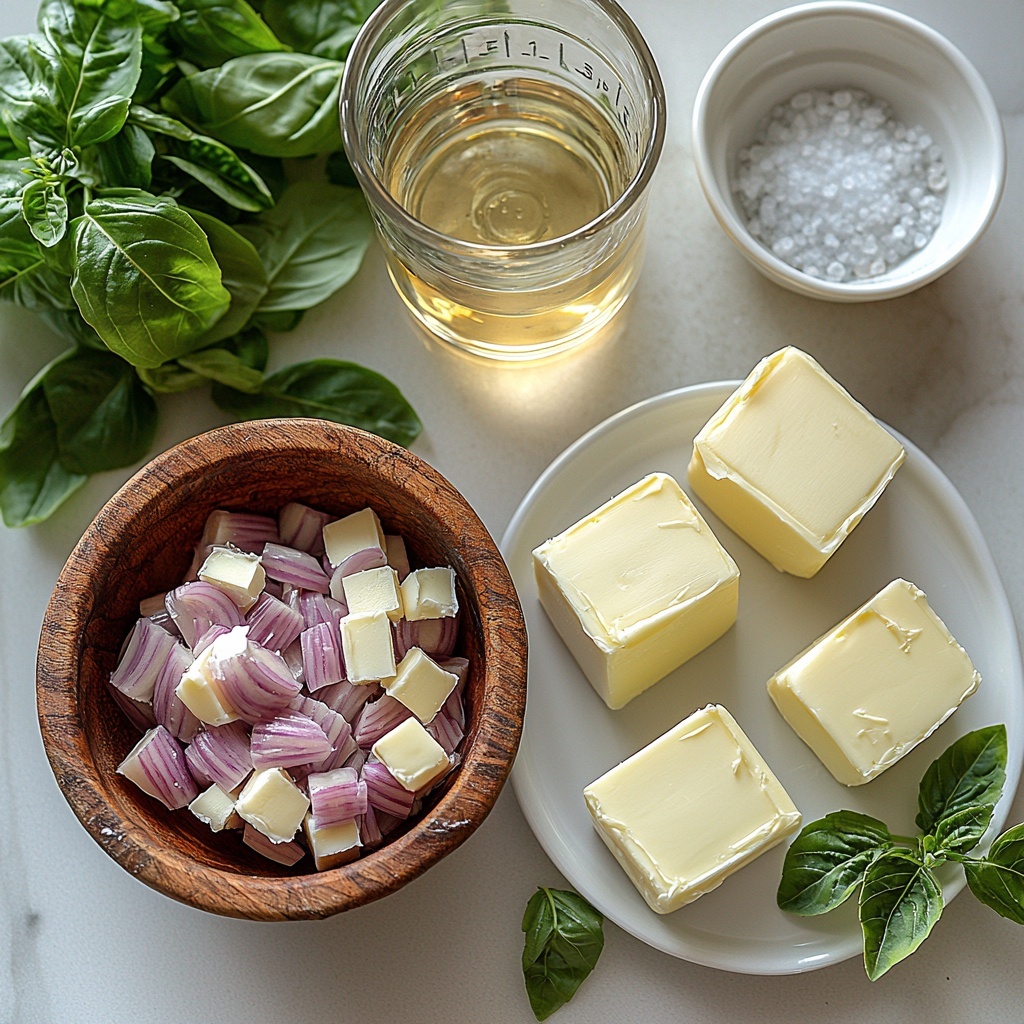
These ingredients may be straightforward, but each one plays a critical role in crafting the perfect texture and balanced flavor of your beurre blanc. From the aromatic shallots that infuse depth, to the crisp acidity of the white wine, and the creamy richness of cold butter, every element is essential.
- Shallot, finely chopped (1 large, about ⅓ cup): Provides a sweet, aromatic base essential for that classic subtle onion flavor.
- Dry white wine (1 cup): Adds bright acidity and helps to reduce and concentrate flavor.
- Cold unsalted butter (8 tablespoons, cut into small cubes): Creates the luscious, creamy texture without overpowering the sauce.
- Salt, to taste: Enhances all the delicate flavors without making the sauce salty.
- White pepper, to taste: Offers a gentle heat and peppery note without distracting specks or overwhelming color.
How to Make Classic Beurre Blanc (French Butter Sauce) Recipe
Step 1: Simmer Shallots and Wine
Begin by placing your finely chopped shallots and dry white wine into a small saucepan over medium heat. Bring it all to a boil, then lower the heat to create a gentle simmer. This process melds the flavors together and draws out the aromatic essence from the shallots, setting the foundation for the sauce.
Step 2: Reduce the Liquid
Continue to simmer until the liquid reduces down to approximately 2 tablespoons. This concentration intensifies the wine’s acidity and sweetness, which balances beautifully against the creaminess that comes later.
Step 3: Incorporate the Butter
Remove the pan from heat. Then, start whisking in your cold butter cubes one at a time. Let each piece fully melt and emulsify into the reduction before adding the next. This careful technique prevents the sauce from breaking and guarantees a perfectly silky finish.
Step 4: Manage the Temperature
If the sauce cools too much and the butter refuses to melt, briefly return the pan to very low heat, whisking constantly. Be mindful not to let the sauce boil, because excessive heat can cause it to separate—a common but avoidable mistake.
Step 5: Season the Sauce
Once all the butter has been incorporated, it’s time to season. Add salt and white pepper sparingly to preserve the delicate balance of flavors. Taste as you go to ensure it’s just right.
Step 6: Strain for a Smooth Finish
For a refined texture, strain the sauce through a fine mesh sieve, gently pressing the shallots to extract every bit of goodness. This step is optional if you prefer a more rustic presentation with bits of shallot throughout.
Step 7: Serve Immediately
Your beurre blanc is best enjoyed right away, paired beautifully with seafood like lobster or salmon, pan-seared chicken, or even roasted vegetables. Remember, this sauce should not be reheated, as the delicate emulsion may break when warmed again.
How to Serve Classic Beurre Blanc (French Butter Sauce) Recipe
Garnishes
Enhance your presentation with a sprinkle of fresh herbs such as finely chopped chives or tarragon. Their green vibrancy adds a pop of color and an herbaceous note that complements the buttery sauce beautifully. A small wedge of lemon on the side can also brighten the plate and awaken the flavors.
Side Dishes
Classic beurre blanc pairs exceptionally well with simply prepared side dishes. Think steamed asparagus, sautéed green beans, or a light rice pilaf. These sides allow the sauce’s luxurious richness to shine without competing flavors, creating a harmonious and elegant plate.
Creative Ways to Present
For a stunning visual, drizzle the sauce artistically over your main dish using a spoon or small ladle. You can also serve it in a small sauce boat to let guests add as much as they desire. Another fun idea is to gently fold beurre blanc into warm mashed potatoes for a decadent twist that elevates a comforting favorite.
Make Ahead and Storage
Storing Leftovers
If you have leftover beurre blanc, store it immediately in an airtight container in the refrigerator. Use within a day for best flavor and texture, as the sauce is most stable fresh. Keep in mind the emulsion can become fragile over time.
Freezing
Freezing beurre blanc is generally not recommended. The delicate butter emulsion tends to separate upon thawing, resulting in a sauce that loses its smooth consistency and creaminess. It’s best made fresh whenever possible.
Reheating
Reheating beurre blanc requires delicate care. Warm it very gently over the lowest heat setting while whisking constantly, but be aware the sauce can break more easily the second time. Ideally, prepare just enough to serve immediately and avoid reheating altogether.
FAQs
Can I use other types of wine for this recipe?
Dry white wines like Sauvignon Blanc, Pinot Grigio, or Chardonnay work best because they provide clean acidity without overpowering the sauce. Avoid sweet wines as they can skew the balance of flavors.
What if I don’t have shallots? Can I substitute with onions?
While small amounts of finely minced red or yellow onion can work in a pinch, shallots offer a milder, sweeter flavor and a more delicate aroma that truly defines the beurre blanc.
How do I know if the sauce is breaking?
If your beurre blanc looks greasy, grainy, or separated rather than smooth and glossy, it has likely broken. This usually happens if the sauce gets too hot or cools too much before adding the butter.
Can I make this sauce vegan or dairy-free?
Traditional beurre blanc relies heavily on butter for its signature creaminess, so it’s challenging to replicate with vegan substitutes that emulsify the same way. However, experimenting with plant-based butters may yield interesting results, though textures and flavors will differ.
What dishes pair best with Classic Beurre Blanc (French Butter Sauce) Recipe?
This sauce is a timeless match for seafood such as lobster, scallops, and white fish, as well as poultry and lightly cooked vegetables. Its rich yet bright character enhances these dishes without overwhelming them.
Final Thoughts
There is something truly special about mastering the Classic Beurre Blanc (French Butter Sauce) Recipe. It’s a sauce that whispers luxury with every silky, buttery spoonful and can make any meal feel like a celebration. Once you get the hang of whisking in that cold butter to perfect the emulsion, you unlock a new level of cooking pleasure. Give this recipe a try. I promise, your taste buds will thank you.