“`html
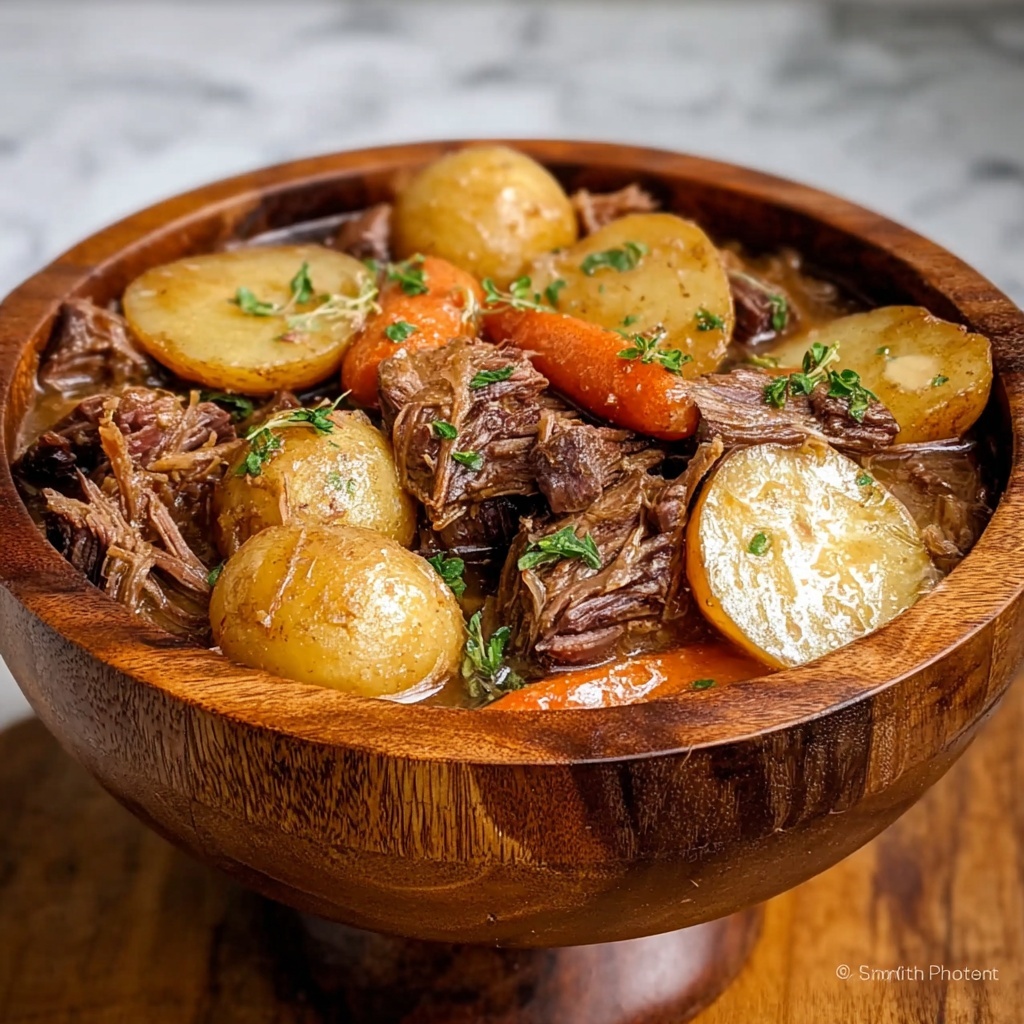
If you’re craving a comforting, hearty dish that wraps you in a warm, rustic hug, the Traditional Lancashire Hotpot Recipe is exactly what you need. This classic British stew is a celebration of tender lamb, sweet caramelized onions, and soft, golden potatoes baked to perfection, creating layers of rich flavors and satisfying textures. It’s the kind of meal that feels like home in every bite and impresses with its simple yet soulful ingredients.
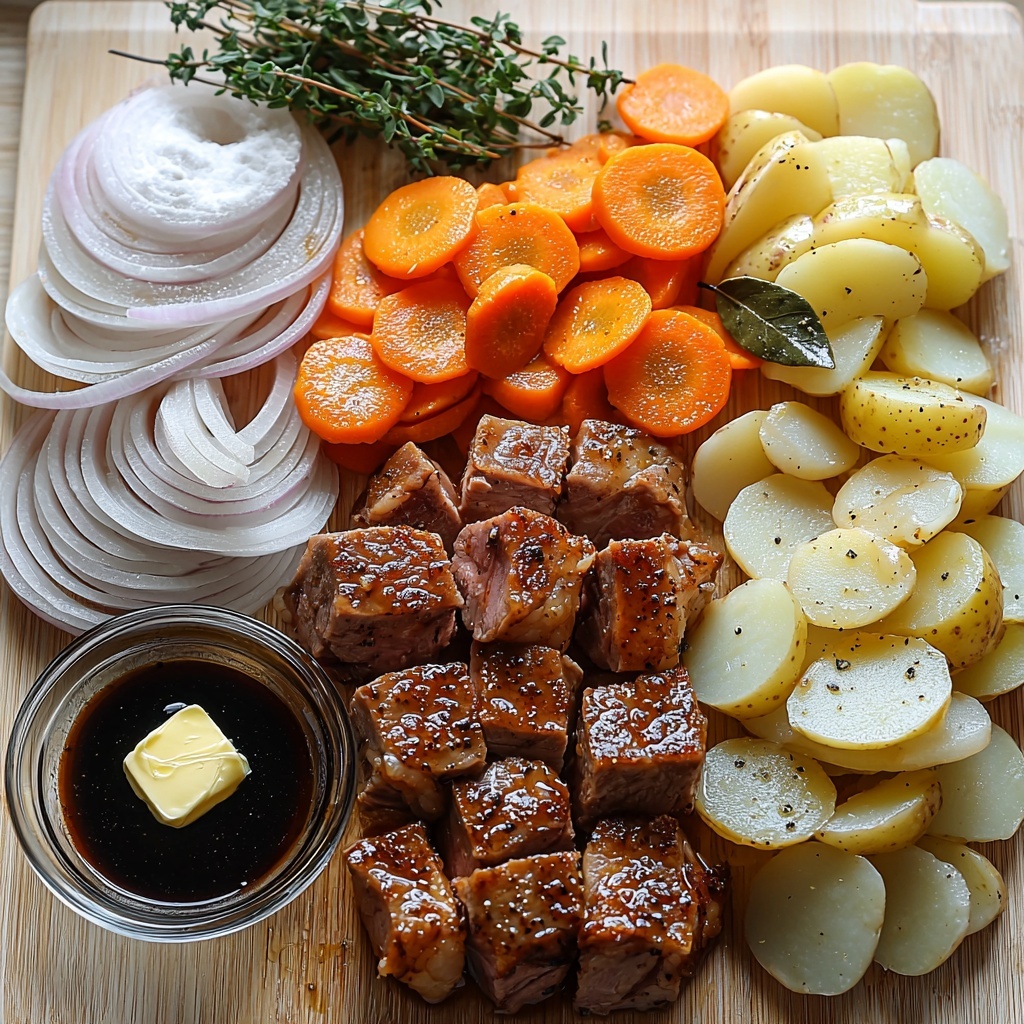
Ingredients You’ll Need
Gathering these straightforward ingredients is the first step toward a truly memorable hotpot. Each one plays a vital role, from the succulent lamb that forms the dish’s base to the fresh herbs that add subtle aromatic depth. The potatoes provide that irresistible golden crust and cozy texture that makes this recipe so beloved.
- 1.5 lbs (700g) lamb shoulder or neck, trimmed and cut into chunks: This cut becomes tender and flavorful when slow-cooked, lending richness to the dish.
- 2 medium onions, thinly sliced: They soften and sweeten during cooking, balancing the savory meat perfectly.
- 4 medium carrots, sliced into rounds: Adding slight sweetness and color to brighten the stew.
- 1.5 lbs (700g) potatoes, peeled and thinly sliced: These create the iconic golden topping and absorb the stew’s delicious juices.
- 2 tablespoons all-purpose flour: Helps thicken the cooking liquid into a luscious sauce.
- 2 cups (500ml) lamb or beef stock: The stew’s flavorful base, infusing the hotpot with hearty depth.
- 1 tablespoon Worcestershire sauce: Adds tang and a subtle umami kick.
- 2 tablespoons butter, melted: Brushed on top for a golden, appetizing finish.
- 1 sprig of fresh thyme: Provides an earthy herbal note.
- 1 bay leaf: Enhances the background aroma of the stew.
- Salt and pepper to taste: Essential for seasoning and drawing out all the flavors.
How to Make Traditional Lancashire Hotpot Recipe
Step 1: Prepare and Preheat
Start by preheating your oven to 325°F (160°C). This lower temperature ensures the lamb cooks slowly and evenly, resulting in melt-in-your-mouth tenderness that defines a great Lancashire hotpot.
Step 2: Brown the Lamb
In a hot skillet, sear the lamb chunks until they develop a beautiful brown crust. This step locks in flavor and creates a depth of taste that’s critical for the final dish. Once browned, transfer the lamb to a plate and set aside.
Step 3: Build the Flavor Base
Using the same skillet, sauté the thinly sliced onions for about 3 to 4 minutes until they soften and start to caramelize, releasing their natural sweetness. Sprinkle the flour over the onions and stir well to coat, which will help to thicken the stew later on.
Step 4: Create the Stew Sauce
Gradually pour in the lamb or beef stock while stirring constantly to avoid lumps. Add the Worcestershire sauce, thyme sprig, bay leaf, salt, and pepper. Let this mixture simmer gently, allowing all those flavors to marry beautifully.
Step 5: Assemble the Hotpot Layers
In a large ovenproof dish, begin with a layer of half the thinly sliced potatoes. Follow with a layer of carrots, then onions, and lastly the browned lamb pieces. Repeat the layering sequence, finishing with a top layer of potatoes for that signature crust.
Step 6: Final Preparations Before Baking
Brush the surface generously with melted butter and season with a pinch of salt and pepper. Cover your dish tightly with foil or a lid to keep all moisture inside during the slow cooking process.
Step 7: Bake and Brown
Bake the hotpot covered in the preheated oven for 2 hours. This slow baking tenderizes the lamb and softens the vegetables. Then remove the cover, crank the oven temperature up to 375°F (190°C), and bake uncovered for another 30 to 40 minutes. This step crisps and golden browns the potato topping for that irresistible finish.
Step 8: Rest and Serve
Once out of the oven, allow your Traditional Lancashire Hotpot Recipe to rest for a few minutes before serving. This resting time helps the flavors settle and the hotpot to firm up slightly, making it easier and more enjoyable to scoop onto plates.
How to Serve Traditional Lancashire Hotpot Recipe
Garnishes
A sprinkle of fresh chopped parsley or a few thyme leaves can brighten the rich flavors and add an inviting pop of green. A pat of butter melting on the hot, crispy potatoes also never goes amiss for extra indulgence.
Side Dishes
Traditional Lancashire Hotpot shines alongside simple buttered peas or steamed green beans, which provide a fresh, crisp contrast to the hearty stew. Crusty bread or baked malt loaf is perfect for mopping up that luscious gravy too.
Creative Ways to Present
Serve it in individual ramekins for a charming personal dining experience, or arrange on a rustic wooden board with accompaniments like Branston pickle and pickled red cabbage for a bona fide Lancashire feast that will wow your guests.
Make Ahead and Storage
Storing Leftovers
You can refrigerate leftover hotpot in an airtight container for up to 3 to 4 days. The flavors often deepen after resting overnight, making the next-day serving equally delightful.
Freezing
This Traditional Lancashire Hotpot Recipe freezes wonderfully. Place cooled portions in freezer-safe containers and keep for up to 2 months. Thaw overnight in the fridge before reheating for convenient future meals.
Reheating
Reheat gently in a low oven at 325°F (160°C) until warmed through to preserve the tender texture. Alternatively, microwave individual servings, covering them to retain moisture but be aware the potato topping may lose some crispness.
FAQs
Can I use beef instead of lamb in this hotpot?
Absolutely! While lamb is traditional, using beef shoulder is a delicious variation that still delivers rich, hearty flavors with a slightly different character.
What’s the best type of potato to use?
Starchy potatoes like Maris Piper or Russet work best as they break down slightly to thicken the sauce, while still crisping up nicely on top.
Can I prepare the hotpot ahead of time before baking?
Yes, you can assemble it a day in advance and keep it covered in the refrigerator. Baking from cold will require a bit more time, so adjust accordingly.
Is Worcestershire sauce necessary?
It isn’t absolutely essential but adds an unmatched depth of flavor and umami that lifts the dish beautifully.
How can I make this dish gluten-free?
Simply substitute the all-purpose flour with a gluten-free alternative like rice flour or cornstarch to thicken the sauce, ensuring everyone can enjoy it worry-free.
Final Thoughts
There’s something truly special about making and sharing the Traditional Lancashire Hotpot Recipe. This humble, soulful dish is packed with comfort, history, and wonderful flavors that bring people together. Whether it’s a chilly evening or a family gathering, you can’t go wrong with this classic warming stew that tastes like a little slice of Lancashire right in your own kitchen. Give it a try and watch it quickly become one of your most treasured recipes!
“`
Print
Traditional Lancashire Hotpot Recipe
- Prep Time: 30 minutes
- Cook Time: 2 hours 40 minutes
- Total Time: 3 hours 10 minutes
- Yield: 4 servings
- Category: Casserole
- Method: Baking
- Cuisine: British
Description
Traditional Lancashire Hotpot is a hearty British casserole featuring tender lamb shoulder slow-cooked with onions, carrots, and layers of thinly sliced potatoes. This comforting dish is baked slowly to develop rich flavors and topped with a golden buttered potato crust, making it a perfect warming meal for any occasion.
Ingredients
Meat
- 1.5 lbs (700g) lamb shoulder or neck, trimmed and cut into chunks
Vegetables
- 2 medium onions, thinly sliced
- 4 medium carrots, sliced into rounds
- 1.5 lbs (700g) potatoes, peeled and thinly sliced
Other Ingredients
- 2 tablespoons all-purpose flour
- 2 cups (500ml) lamb or beef stock
- 1 tablespoon Worcestershire sauce
- 2 tablespoons butter, melted
- 1 sprig of fresh thyme
- 1 bay leaf
- Salt and pepper to taste
Instructions
- Preheat Oven: Preheat your oven to 325°F (160°C) to prepare for slow baking the hotpot.
- Sear Lamb: Heat a skillet over medium heat and sear the lamb chunks until browned on all sides, which locks in flavor. Transfer the lamb to a plate once browned.
- Sauté Onions and Thicken: In the same skillet, sauté the sliced onions for 3-4 minutes until softened. Sprinkle the flour over the onions and stir to coat them evenly, which will help thicken the sauce.
- Add Liquids and Seasonings: Gradually pour in the lamb or beef stock along with Worcestershire sauce, then add the fresh thyme sprig and bay leaf. Season with salt and pepper to taste. Let the mixture simmer briefly to amalgamate the flavors and thicken slightly.
- Layer the Hotpot: In an ovenproof dish, start by layering half of the thinly sliced potatoes on the bottom. Next, add a layer of the sliced carrots, followed by the sautéed onions and browned lamb pieces. Repeat the layers, finishing with the remaining potatoes on top.
- Prepare for Baking: Brush the top layer of potatoes with the melted butter and season again with a bit of salt and pepper. Cover the dish tightly with foil or a lid to trap moisture during slow cooking.
- Bake Slowly: Place the dish in the preheated oven and bake for 2 hours at 325°F (160°C) to tenderize the lamb and vegetables thoroughly.
- Brown the Top: After 2 hours, remove the foil or lid. Increase the oven temperature to 375°F (190°C) and bake uncovered for an additional 30-40 minutes, or until the potato topping is golden brown and crispy.
- Rest and Serve: Allow the hotpot to rest for a few minutes before serving. This dish pairs wonderfully with crusty bread or steamed greens for a complete meal.
Notes
- Using lamb shoulder or neck is ideal as it becomes tender and flavorful when slow-cooked.
- Make sure to slice the potatoes thinly for even cooking and a delicate crust.
- If desired, substitute Worcestershire sauce with soy sauce for a slightly different flavor profile.
- To save time, you can prepare the dish a day ahead and refrigerate before baking.
- For a richer sauce, consider adding a splash of red wine during the simmering step.